

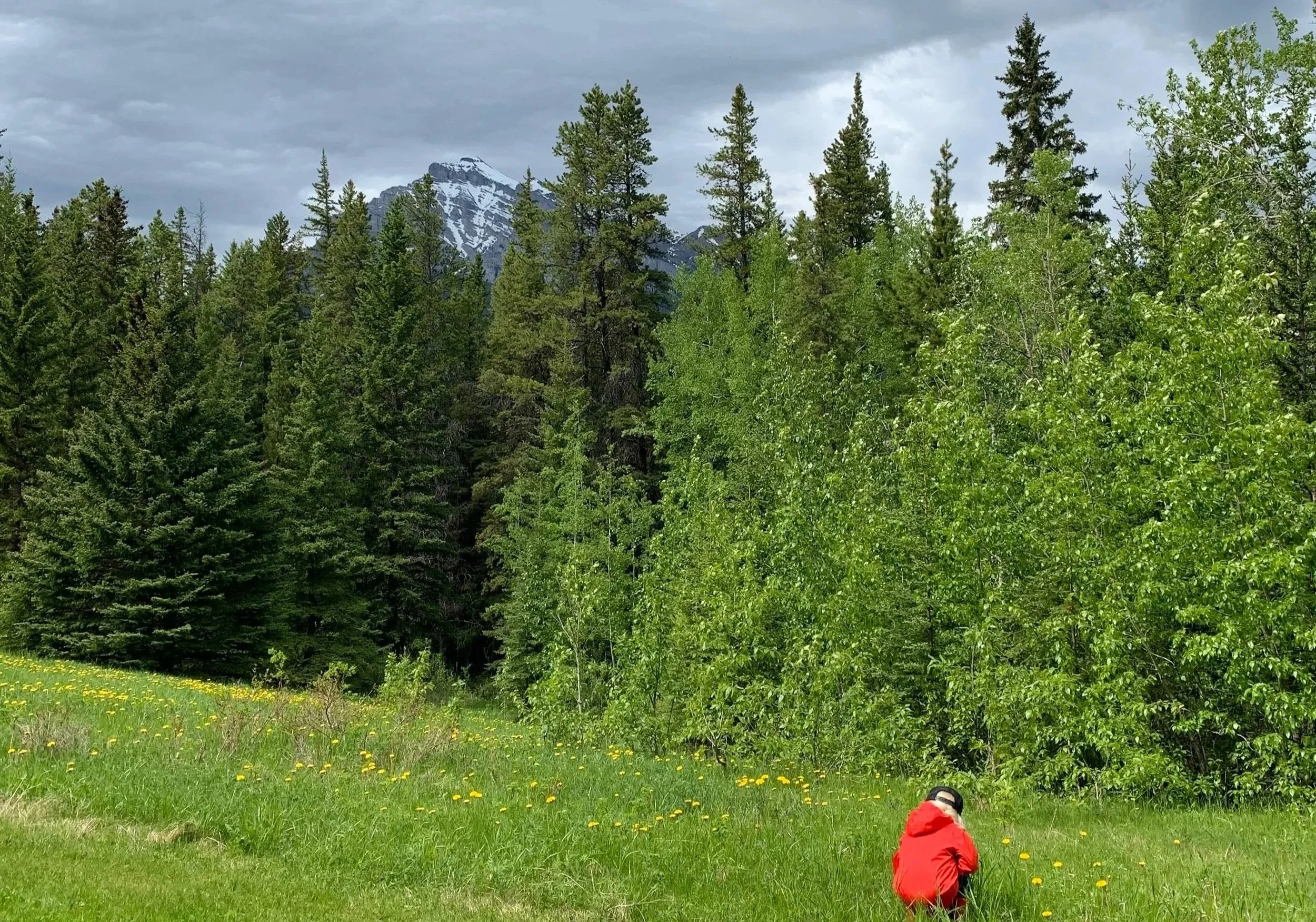
Learn more about Katrina
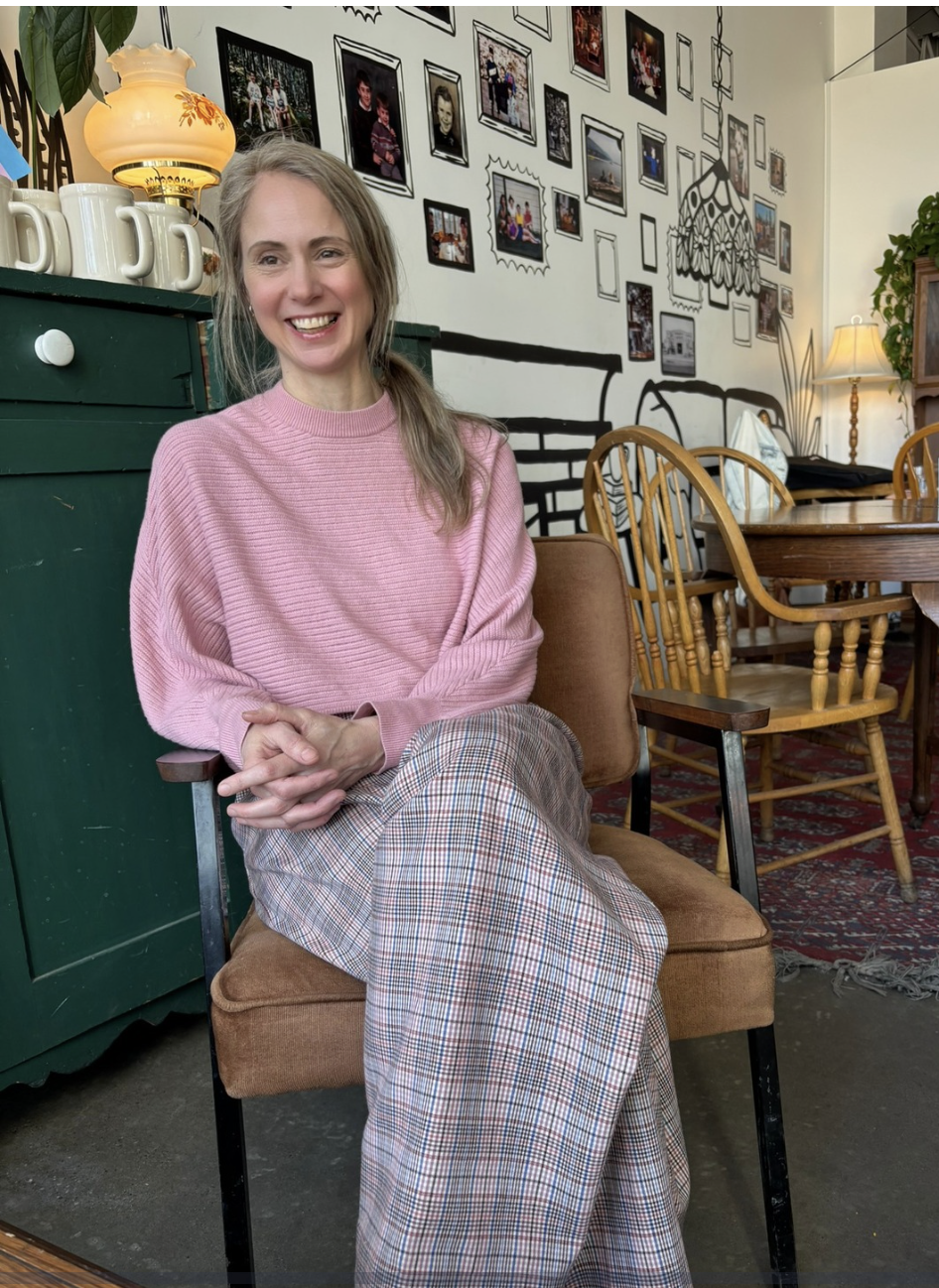
KATRINA DONALD (SHE/HER)
I didn't arrive to this work along a marked path.
Years of working with children taught me that the most important thing you can offer someone isn't always expertise. It's the ability to hold space without judgment, stay curious and patient, and create conditions safe enough for someone to say "let's try it and see what happens." Later, in customer-facing roles, I developed the ability to read a room, prioritize, and adapt to shifting contexts. These skills turned out to be essential when the environment is complex and how we work together matters as much as what we're working on.
In early 2006, I joined a grassroots community relief organization in New Orleans, as one of 8,000 independent volunteers organized to provide support to residents in the wake of Hurricane Katrina. That experience is where my belief in strengths-based collaboration, distributed leadership, and collective action took root.
By the time I arrived at the Banff Centre, I had spent years developing outdoor leadership capacity, freelancing writing projects, and leading teams, an unusual combination that turned out to be exactly the right preparation. One of my first roles was in the Leadership Lab, where we experimented with arts and nature-based ways of animating concepts of professional development, which we then integrated into program design.
Witnessing program participants along their leadership journeys is what drew me deeper into organizational life. After completing my Masters in organizational development, I joined the Centre's HR team, where I managed recruitment, training, and retention functions over 5 years, before I was seconded back into leadership programming. At that time, the team had secured funding for a month-long residency that wove systems thinking and social innovation together with artistic practice, Indigenous wisdom, and nature-based methodologies. I was called in to support the design and lead the activation of the pilot cohorts because I could intuitively hold all of those threads together. That program was Getting to Maybe: A Social Innovation Residency. It remains one of the most formative experiences of my practice, and introduced me to developmental evaluation, which further clarified my path.
As the Banff Centre's evaluation strategist, I worked across the full arc of evaluation, supporting continuous program improvement, measuring and communicating impact for funders and stakeholders, and using developmental approaches to support the design and evolution of new programs, including the Cultural Leadership Program. During COVID-19 my work pivoted to support the careful wind-down of programs, partnerships, and faculty relationships while helping the Indigenous Leadership and Arts programming areas move on-site work online, leaning into developmental evaluation to navigate rapidly shifting conditions in real time.
That period clarified for me that I had real energy for innovation, experimentation, and finding new ways forward. In response, I started Ever-so-curious in 2021 as a deliberate experiment in doing this work at the intersection of coaching, developmental evaluation, and organizational design. Today, I work with the brave and the curious — those who are daring to bring forth what is new, what is next, and address what needs to change. I've worked with arts organizations, nonprofits, community foundations, health charities, post-secondaries, BCorps, start-ups, social enterprises, and family businesses.
My family and I are based in the traditional territory of the Blackfoot confederacy: the Siksika, Kainai and Piikani, as well as the Tsuut'ina and Iyarhe Stoney Nakoda peoples. These lands are a part of Treaty 7 and are also home to the Otipemisiwak Métis Government, Rocky View Métis District 4 in the Battle River Territory. The deep connection to, and gratitude I have for, this land influences and informs how I show up in this work and in my life.